Anise
by Wanderer MoonChild
Botanical Basics
- Common Name(s): Anise, Aniseed
- Folk Name(s): Anys, Anneys, Sweet Cumin
- Scientific/Latin Name: Pimpinella anisum
- Family: Apiaceae (Carrot/Parsley family)
- Plant Type: Annual herb
- Botanical Description: Anise grows 1–2 feet tall, with feathery, finely divided leaves and small white flowers in compound umbels. Seeds (actually fruits) are small, ridged, gray-green to brown, with a sweet, licorice-like aroma.
- Growing Zones/Climate: USDA zones 4–9; prefers warm, temperate climates.
- Best Zones for Growth: Mediterranean-like climates; grows well in the U.S. Midwest and Southern states when summers are warm.
- Habitat & Range: Native to the eastern Mediterranean and Southwest Asia; cultivated widely worldwide for spice and medicine.
Cultivation & Harvest
- Soil & Sun Requirements: Well-drained, light loamy soil; full sun.
- Propagation: Direct sow seeds in spring after frost; does not transplant well.
- Companion Planting: Pairs well with coriander, fennel, and dill; attracts pollinators.
- Harvesting Guidelines: Seeds harvested when umbels turn gray-green to brown and dry, typically late summer.
- Drying/Preservation: Cut seed heads and hang upside down in paper bags to collect seeds as they dry. Store in airtight containers.
Traditional & Historical Use
- Cultural Significance: Used since ancient Egypt, Greece, and Rome for flavoring, medicine, and ritual. Romans served anise cakes at feasts for digestion.
- Traditional Medicine: Used as a carminative (relieves gas), to ease coughs, and stimulate lactation.
- Symbolism: Associated with protection, purification, and vitality.
Medicinal & Practical Properties
- Active Constituents: Anethole (primary aromatic compound), flavonoids, coumarins, volatile oils.
- Medicinal Uses: Digestive aid, expectorant for coughs, mild sedative, galactagogue (promotes milk flow), relieves menstrual discomfort.
- Preparation Methods: Infusions (teas), tinctures, essential oil, culinary spice.
- Dosage & Guidelines:
- Tea: 1–2 tsp crushed seeds per cup boiling water, steep 10 min.
- Tincture: 1–2 ml, 3x daily.
- Essential oil: Highly concentrated—use with caution.
- Safety/Precautions: Generally safe in culinary amounts; large medicinal doses not recommended during pregnancy. Allergic reactions possible, especially for those sensitive to Apiaceae family plants.
🌙 Magical & Spiritual Properties
- Elemental Association: Air
- Planetary/Deity Correspondence: Mercury, Apollo, Hermes
- Magical Correspondences: Protection, purification, divination, warding off nightmares.
- Ritual Use: Burned as incense for meditation; placed under pillows to prevent bad dreams; carried for luck and psychic awareness.
- Symbolism in Divination/Dreams: Signals clarity, protection, or the presence of guiding messages.
Ecological & Culinary Uses
- Pollinator Value: Flowers attract bees and other beneficial insects.
- Wildlife Uses: Seeds are eaten by some birds; flowers support pollinators.
- Culinary Uses: Widely used to flavor breads, pastries, liquors (e.g., ouzo, pastis), and sweets.
- Household/Practical Uses: Added to potpourri, natural breath fresheners, and digestive tonics.
Fast Facts
- Quick Uses: Digestive tea, flavoring, dream protection, incense.
- Notable Traits: Licorice-like flavor from anethole compound.
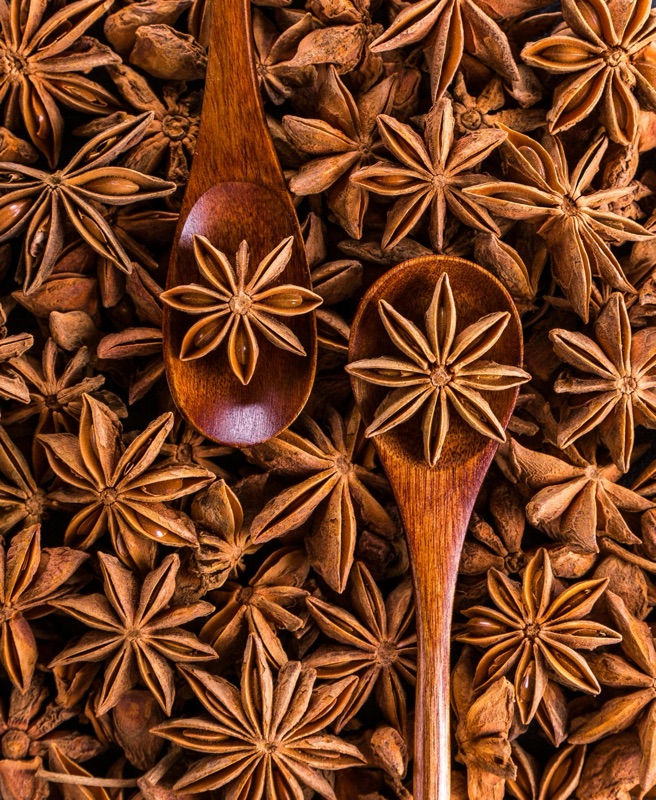
- Special Notes: One of the oldest known spices; distinct from star anise (Illicium verum) despite similar flavor.
Supporting Notes
References:
- Foster, S. & Duke, J.A. (2000). Peterson Field Guide to Medicinal Plants and Herbs of Eastern and Central North America.
- Grieve, M. (1931). A Modern Herbal. Dover Publications.
- Moerman, D. (1998). Native American Ethnobotany. Timber Press.
- USDA, NRCS. (2025). Pimpinella anisum. The PLANTS Database. https://plants.usda.gov/
- European Medicines Agency (EMA). (2014). Assessment Report on Pimpinella anisum L., fructus.
- Hoffman, D. (2003). Medical Herbalism: The Science and Practice of Herbal Medicine.

No comments:
Post a Comment